Sober Curious Guide: Rethink Your Relationship with Alcohol

Key Takeaways
- 49% of Americans are reconsidering their relationship with alcohol -- you don't need a 'problem' to benefit from drinking less
- Gen Z is leading the sober-curious movement with 27% of 21-24 year-olds choosing never to drink at all
- The mental health, sleep, financial, and social benefits of reducing alcohol begin within the first week and compound over months
- Being sober-curious isn't all-or-nothing -- it's about making conscious choices rather than drinking on autopilot
- The science of habit change shows that environment design and tracking progress are more effective than willpower alone
What Does “Sober Curious” Mean?
Sober curious isn’t sobriety. It’s not recovery. It’s not a label or an identity.
It’s a question: “What would my life look like if I drank less — or not at all?”
That question doesn’t require a dramatic origin story or hitting rock bottom. It doesn’t mean you have a drinking “problem” in the clinical sense. It simply means you’re curious about what changes when alcohol isn’t part of the equation.
This might be you:
- You pour wine every night out of habit, not because you particularly want it
- You wake up after a few drinks and think “Why did I do that again?”
- You’re tired of low-grade hangovers affecting your mornings
- You’ve noticed that drinking makes your anxiety worse, not better
- You’re spending money on alcohol that you’d rather invest elsewhere
- You’re just… curious
Whether you’re considering a 31-day Sober October challenge, cutting back on weeknight drinking, or exploring full sobriety, this guide is for you. No labels, no judgment, no pressure to commit forever. Just information, tools, and strategies for anyone questioning their relationship with alcohol.
The Sober Curious Movement: A Cultural Shift
The sober-curious movement represents a fundamental rethinking of alcohol’s role in modern life.
According to recent market research from Mintel and NCSolutions, 49% of Americans are actively reconsidering their relationship with drinking. This isn’t a fringe trend. This is a cultural inflection point comparable to how attitudes toward smoking changed in the 1990s.
Gen Z is leading the charge. Data from the National Institute on Alcohol Abuse and Alcoholism (NIAAA) shows that 27% of people aged 21-24 report never drinking alcohol, and 40% are actively limiting consumption. Compare that to Millennials and Gen X at the same age, where drinking was nearly universal, and the shift becomes obvious.
Why Now?
Several factors are driving this movement:
-
Mental health awareness: Research from the American Psychological Association shows that 66% of 18-24 year-olds cite mental health as their primary motivation for reducing alcohol. They’ve watched alcohol worsen anxiety and depression in themselves and their peers. They’re choosing differently.
-
Information access: People know more about alcohol’s effects than ever before. Neuroscience research on how alcohol disrupts sleep, worsens anxiety, and impairs cognitive function is widely accessible. Knowledge changes behavior.
-
Social media authenticity: The Instagram-perfect “wine mom” and “craft beer bro” cultures are being countered by honest conversations about hangovers, regret, and mental health consequences. Authenticity is trending.
-
Identity flexibility: Unlike previous generations where “alcoholic” and “social drinker” were the only two options, sober-curious offers a third path. You don’t have to label yourself to make different choices.
The result: being sober-curious is no longer countercultural. It’s becoming mainstream.
Your Brain on Alcohol (and Off It)
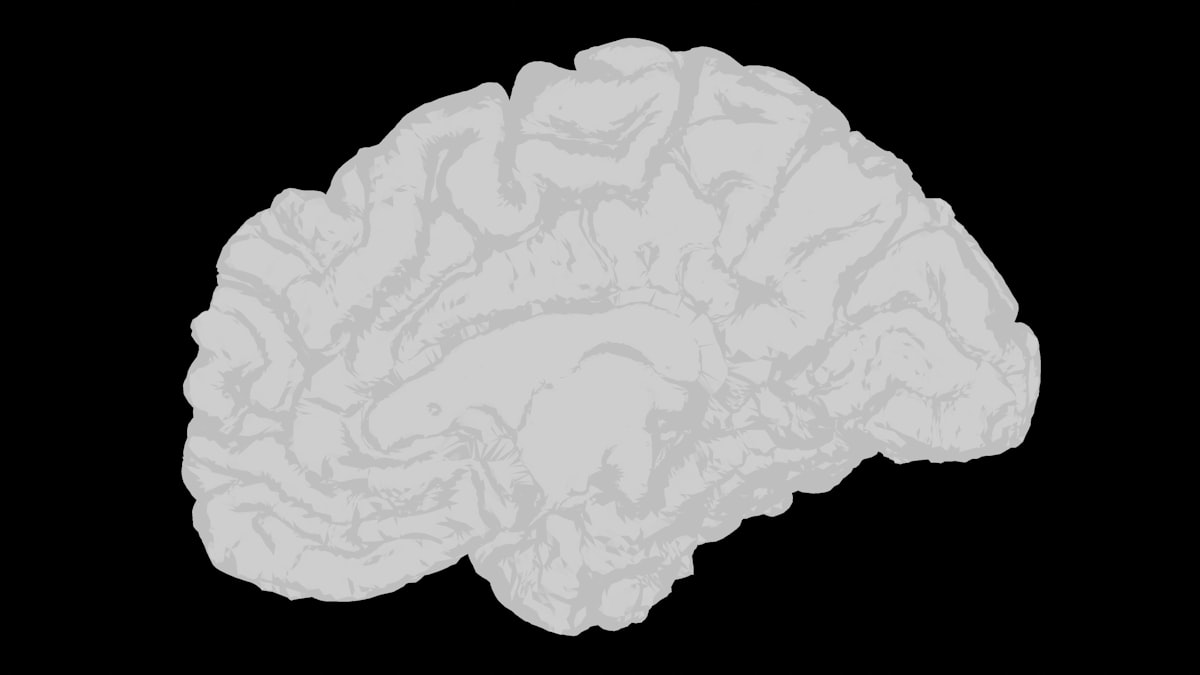
Understanding what alcohol does to your brain helps you make informed choices. This isn’t scare tactics. This is neuroscience.
The Mental Health Connection
Alcohol is a central nervous system depressant that temporarily enhances GABA (your brain’s calming neurotransmitter) and suppresses glutamate (your excitatory neurotransmitter). This is why drinking feels relaxing in the moment.
But your brain compensates. Within 6-12 hours after drinking, you experience rebound anxiety as your glutamate system surges back online. Regular drinking creates a vicious cycle: you drink to relieve anxiety that alcohol itself is creating.
Research shows that regular drinkers experience 30-40% higher baseline anxiety than when they’re alcohol-free for 30+ days. The drink that calms you tonight is programming tomorrow’s stress.
If you want the complete neuroscience breakdown — GABA/glutamate cycles, hangxiety, the self-medication trap, and timeline for anxiety recovery — read our deep-dive guide on alcohol and mental health.
Depression and Emotional Regulation
Alcohol doesn’t just affect anxiety. It impacts overall emotional regulation. While drinking might numb difficult emotions temporarily, it also blunts positive emotions and prevents you from processing feelings in healthy ways.
Over time, regular drinking can contribute to or worsen clinical depression. The numbing becomes a baseline, and you lose access to the full range of human emotion — both the hard stuff and the good stuff.
When you reduce or eliminate alcohol, emotional regulation improves. You feel your feelings more intensely, which is uncomfortable at first but ultimately allows for genuine processing, healing, and joy.
Sleep: The First Thing You’ll Notice
If there’s one benefit that nearly everyone notices within the first week of reducing alcohol, it’s sleep.
Alcohol might help you fall asleep faster, but it systematically destroys sleep quality. Even 1-2 drinks suppress REM sleep — the stage critical for memory consolidation, emotional processing, and cognitive function — by up to 40%.
You also experience more fragmented sleep. Alcohol disrupts your sleep architecture so that you wake up multiple times in the second half of the night, often without remembering those wake-ups. You sleep 7-8 hours but get 4-5 hours of actual restorative rest.
After just one week without alcohol, most people gain 30-60 extra minutes of quality sleep per night. Your REM sleep recovers. You wake fewer times. You actually feel rested in the morning instead of groggy despite “sleeping enough.”
The difference is dramatic. People who quit drinking consistently rank improved sleep as the top reason they stick with it.
We’ve written a complete guide to how alcohol affects your sleep that covers REM suppression, circadian rhythm disruption, and the timeline for sleep recovery when you quit. If you’re struggling with insomnia or poor sleep quality, that article might be the most valuable thing you read this year.

The Social Side: Your Biggest Fear and Your Biggest Opportunity
Let’s be honest: the thought of socializing without alcohol probably scares you more than anything else about going sober-curious.
Who are you at a party without a drink? How do you handle first dates? What will your friends think? Will you still be fun?
These fears are valid. And they’re temporary.
Here’s the truth: the awkwardness peaks at week 2-3 and fades dramatically by month 2. Your brain is relearning social confidence without a chemical shortcut. The process is uncomfortable, but it’s not permanent.
Most people discover that sober socializing is better once they adjust. You’re more present. You remember conversations. You leave when you want instead of staying until 2am because you lost track of time. You show up as your authentic self instead of the alcohol-influenced version.
Friendships get deeper. Connections become more real. And yes, you lose some friends along the way — but those were drinking buddies, not real friends, and the distinction becomes painfully obvious.
For practical, battle-tested strategies — from having a drink in hand (sparkling water eliminates 80% of questions), to handling “Why aren’t you drinking?”, to navigating sober dating, weddings, and work events — read our comprehensive guide on how to socialize without drinking. It includes scripts for awkward conversations, timing strategies for parties, and how to build a social life that doesn’t revolve around bars.
The Financial Reality: What You’re Actually Spending
Health and mental wellbeing are powerful motivators for some people. For others, the financial case is what tips the scales.
The average American household spends $579 per year on alcohol at home. But that number is misleading because it doesn’t include bars, restaurants, rideshares, late-night food, hangover remedies, and lost productivity.
When you account for the full financial impact, most moderate drinkers spend $2,000-$5,000 annually on alcohol and alcohol-related costs.
Let’s put that in perspective:
- $150/month saved = $9,000 in 5 years
- $250/month saved = $15,000 in 5 years
- $400/month saved = $24,000 in 5 years
That’s a down payment on a house. An emergency fund. A career transition. International travel. Early retirement contributions that will compound for decades.
And the financial benefits compound beyond direct savings: better job performance, fewer sick days, sharper decision-making, lower healthcare costs, fewer impulsive purchases while tipsy.
For a detailed breakdown of what Americans spend on alcohol (using real Bureau of Labor Statistics data), hidden costs that add 30-50% to your drinking expenses, and a framework to calculate your personal savings, read our alcohol savings calculator guide. The numbers might shock you.
Building New Habits (Not Just Breaking Old Ones)
Here’s the critical insight that most people miss: quitting or reducing alcohol isn’t about willpower. It’s about habit science.
Willpower is a finite resource. If you rely on it, you’ll fail when it runs out — which is usually around 6pm on a Friday when you’re stressed and tired and walking past your kitchen where wine lives.
Habits, on the other hand, run on autopilot. Your brain encodes repeated behaviors into neural pathways in the basal ganglia, then executes them automatically in response to cues. This is why you can pour a drink without consciously deciding to — the cue (Friday evening, stress, walking into kitchen) triggers the routine (pour wine) before your prefrontal cortex gets involved.
You can’t delete a habit loop. But you can redirect it.
The Habit Loop: Cue → Routine → Reward
Every drinking habit follows this pattern:
- Cue: Time of day, location, emotional state, social situation
- Routine: Drinking
- Reward: Relaxation, stress relief, social bonding, dopamine hit
The strategy isn’t to eliminate the loop. It’s to keep the cue and reward while changing the routine.
Example: Cue (Friday 6pm, stress) → Old routine (pour wine) → New routine (sparkling water + 10-minute walk) → Same reward (stress relief, transition ritual).
Evidence-Based Techniques
Research from behavioral scientists like Wendy Wood, BJ Fogg, Peter Gollwitzer, and Phillippa Lally has identified the most effective habit change techniques:
- Implementation intentions: “When [situation], I will [behavior]” pre-planning increases follow-through by 2-3x
- Habit stacking: Attach new behaviors to existing routines to leverage neural pathways
- Environment design: Remove alcohol from your home — make the desired behavior easy and undesired behavior hard
- Reward substitution: Map your drinking rewards and find non-alcohol paths to each
- Identity-based habits: Shift from “I’m trying not to drink” to “I’m someone who takes care of their health”
Crucially, habits take 66 days on average to become automatic (not 21 days — that’s a myth). The range is 18-254 days depending on complexity. If you’re on Day 30 and it still feels hard, you’re exactly on schedule.
For the complete neuroscience of habit formation, why willpower fails, detailed explanations of each technique, and a step-by-step habit change plan you can implement today, read our deep-dive on the science of habit change for sobriety.
The Physical Benefits: Beyond Sleep and Energy
While mental health and sleep improvements are often the first changes people notice, the physical benefits of reducing or eliminating alcohol compound over weeks and months.
Liver Function and Recovery
Your liver processes roughly 90% of the alcohol you consume. Regular drinking — even moderate amounts — creates persistent inflammation and oxidative stress. Liver enzyme levels (ALT, AST) are often elevated in regular drinkers, indicating cellular damage.
The good news: your liver begins repairing itself within 48 hours of your last drink. Enzyme levels start normalizing within 2-4 weeks. For people without cirrhosis or severe liver disease, months of abstinence can result in substantial liver regeneration.
This doesn’t mean you can drink heavily for years without consequences. But it does mean that the damage isn’t necessarily permanent if you make changes.
Cardiovascular Health
The “alcohol is heart-healthy” narrative has been largely debunked. While some older studies suggested that moderate drinking reduced heart disease risk, more rigorous recent research controls for confounding variables (like socioeconomic status and overall health behaviors) and finds that any amount of alcohol increases cardiovascular risk.
When you stop drinking:
- Blood pressure decreases (alcohol raises blood pressure acutely and chronically)
- Heart rate variability improves (a marker of cardiovascular resilience)
- Inflammation markers decrease
- Risk of atrial fibrillation and other arrhythmias drops
These changes begin within weeks and continue to improve over months.
Skin, Weight, and Inflammation
Alcohol is dehydrating, inflammatory, and calorie-dense. It shows:
- Skin: Puffiness, redness, and accelerated aging improve within 1-2 weeks of quitting. Your skin retains moisture better. Rosacea and eczema often improve.
- Weight: Alcohol contains 7 calories per gram (nearly as much as fat at 9 cal/gram). A few drinks several times a week adds up. Plus, alcohol lowers inhibitions around food choices (late-night pizza, anyone?). Many people lose 5-15 pounds in the first few months without other diet changes.
- Inflammation: Chronic low-grade inflammation from regular drinking contributes to joint pain, digestive issues, and overall malaise. Reducing alcohol reduces systemic inflammation.
Immune Function
Alcohol suppresses immune function. Research published in Alcohol Research shows that even a single episode of binge drinking impairs your immune system’s ability to fight infections for up to 24 hours. Chronic drinking weakens immunity long-term.
When you quit, your immune system recovers. You get sick less often. When you do get sick, you recover faster. This is especially noticeable during cold and flu season.
The Sober Curious Toolkit
You don’t need elaborate systems. You just need a few tools that actually work.
1. Non-Alcoholic Alternatives
Stock your environment with options you actually enjoy:
- NA beer: Athletic Brewing, Partake, Heineken 0.0 (quality has improved dramatically)
- Mocktails: Pre-made or DIY with fresh ingredients, bitters, fancy syrups
- Kombucha: Fermented, flavorful, gives you something interesting to drink
- Sparkling water with add-ins: Lime, cucumber, bitters, fruit
- Specialty coffee or tea: High-quality options create rituals without alcohol
The key: don’t settle for boring drinks. Your brain needs comparable sensory reward.
2. Tracking Your Progress
Tracking serves multiple purposes: it increases self-awareness, creates motivation through visible progress, and helps you identify patterns and triggers.
This is where a simple tracker makes a meaningful difference. Soberly is a free, private tracker that counts your sober days, hours, and minutes — just you and your streak. The longer your streak grows, the more your brain wants to protect it. You’re leveraging loss aversion in your favor.
3. Community and Support
Going sober-curious doesn’t mean going alone. Communities exist:
- r/stopdrinking on Reddit (500k+ members, active daily support)
- Sober-curious meetups (search Meetup.com or Facebook for local groups)
- Club Soda and other sober social organizations
- Tell at least one person in your real life — accountability matters
You don’t need to make a public announcement. But having at least one person who knows increases your success rate significantly.
4. Books, Podcasts, and Resources
Recommended starting points:
- This Naked Mind by Annie Grace (neuroscience of alcohol and belief systems)
- Quit Like a Woman by Holly Whitaker (feminist lens on sobriety)
- We Are the Luckiest by Laura McKowen (memoir, beautifully written)
- Huberman Lab Podcast episode on alcohol (science-based, no moralizing)
Reading other people’s experiences normalizes the process and provides strategies you haven’t thought of.

Navigating Challenges: What Gets Harder Before It Gets Easier
Being sober-curious isn’t a linear upward trajectory. There are predictable challenges, and knowing they’re coming makes them easier to handle.
The Boredom Problem
One of the most common complaints in the first 2-4 weeks: “I’m so bored.”
This isn’t because sobriety is boring. It’s because drinking filled time and masked underlying boredom with artificial stimulation. When you remove alcohol, you’re left with the actual structure of your life — and if that structure was “work all week, drink on weekends,” you’re suddenly facing a lot of empty hours.
The solution isn’t to white-knuckle through boredom. It’s to actively build a life that’s interesting without alcohol:
- Identify 3-5 activities you genuinely enjoy (not “should enjoy” — actually enjoy)
- Schedule them. Put them on your calendar like appointments.
- Try new things. Climbing gym, pottery class, book club, volunteer work, learning an instrument.
- Understand that rediscovering what you like without alcohol takes time
Most people report that boredom peaks around week 3-4 and resolves by month 2-3 as they build new routines and rediscover (or discover for the first time) what they actually enjoy.
The Identity Crisis
Around month 1-2, many people experience an uncomfortable question: “Who am I without alcohol?”
If drinking has been part of your identity for years — the person who brings good wine to dinner parties, the craft beer enthusiast, the one who stays out late — removing that leaves a temporary void.
This is normal. And it resolves as you build a new identity that isn’t defined by what you don’t do but by what you do instead: the person who hikes every weekend, the one who hosts game nights, the early morning runner, the friend people call when they need real support.
Identity reformation takes 3-6 months on average. Be patient with yourself during the transition.
Social FOMO and Relationship Shifts
You will experience FOMO (fear of missing out). You’ll see Instagram stories of friends at bars having what looks like the best night ever. You’ll wonder if you’re missing out on life.
Here’s the reality check: you’re not seeing the 2am Uber ride home, the hangover, the regretful texts, the wasted Sunday recovering. You’re seeing the curated highlights.
And yes, some relationships will change. Friends who only connected with you over drinks may fade. This hurts. But it also reveals who your real friends are — the ones who want to spend time with you, not with the drinking version of you.
Most people report that by month 3-4, their social life is actually richer than it was when drinking. Fewer friends, but deeper connections.
When to Seek Additional Support
Being sober-curious doesn’t mean going it alone. If you experience:
- Severe withdrawal symptoms (tremors, hallucinations, seizures)
- Intense depression or suicidal thoughts
- Inability to stop despite genuine desire and repeated attempts
- Trauma or mental health issues that drinking was masking
Seek professional support. Therapy, counseling, medical intervention, or structured programs aren’t signs of failure. They’re tools. Use them.
What to Expect: A Timeline of Change
Everyone’s timeline varies, but here’s what most people experience:
Week 1: Disruption and Sleep Improvement
The first few days are the hardest for habit disruption. Your routines feel broken. Social situations feel awkward. But sleep often improves by day 3-5. You’ll notice you’re actually resting.
Month 1: Energy, Clarity, Visible Changes
By week 2-3, energy levels rise. Mental fog lifts. Skin improves (less puffiness, better hydration). You’ve saved $150-400. The benefits become tangible enough to motivate continued effort.
Month 3: Relationships Deepen, Identity Shifts
Social confidence without alcohol returns. Friendships deepen because you’re consistently present and authentic. You begin shifting from “I’m not drinking” to “I don’t drink.” The identity change is subtle but powerful.
Year 1: You Won’t Recognize Your Old Self
Physical health improves measurably. Mental health stabilizes. Financial impact compounds. But the deepest transformation is identity. You’re not just “someone who doesn’t drink.” You’re someone who lives differently — clearer, more present, more aligned with your values.
And here’s the honest part: month 11 can be harder than month 2. One year doesn’t mean easy. It means different. You’ll still have hard days. You’ll just have better tools to handle them.
Sober Curious FAQ
Do I have to quit forever?
No. Sober-curious is about conscious choice, not lifetime commitments. Try a month. See how you feel. Decide from there. Some people cycle between drinking and not drinking. Others quit permanently. There’s no “right” path.
Am I an alcoholic if I’m reading this?
Labels aren’t required. You don’t need to hit rock bottom or meet clinical criteria to benefit from drinking less. Questioning your habits is healthy, not a sign of a problem.
Will I lose friends?
Probably some. The friends you lose were drinking buddies, not real friends. The distinction becomes obvious quickly. And you’ll make new, deeper friendships with people who connect with the real you.
Can I still have fun?
More fun. Because you’ll remember it. Because you’ll be fully present. Because you won’t spend the next day recovering. Fun without a chemical shortcut is richer and more sustainable.
What about special occasions?
You get to decide each time. Some people make exceptions for weddings or New Year’s. Others don’t. The difference is you’re making a conscious choice instead of drinking on autopilot.
How do I start?
Pick a timeframe. Tell one person. Download a tracker. Remove alcohol from your home. Read one of the articles linked in this guide. Start small. Build from there.
Taking the First Step
If you’re reading this, you’re already sober-curious. The question has been asked. Now you get to explore the answer.
The next step doesn’t have to be dramatic. You don’t need to announce anything publicly. You don’t need a perfect plan.
Just try one alcohol-free week. See how you sleep. Notice how you feel. Track your mood. Calculate what you save. Pay attention to what changes.
You might be surprised by what you discover.
And if a week feels manageable, try a month. If a month reveals benefits you don’t want to give up, keep going. There’s no rulebook. Just your own curiosity and the data you gather about what makes your life better.
The sober-curious movement isn’t about perfection or purity. It’s about making conscious choices instead of defaulting to autopilot. It’s about asking “Why?” instead of assuming “Because that’s what we do.”
You don’t need to have all the answers. You just need to be curious enough to ask the question.
Medical Disclaimer
This article is for informational purposes only and does not constitute medical advice. If you are experiencing alcohol dependence or withdrawal symptoms, please consult a healthcare professional. Withdrawal from alcohol can be medically dangerous and should be supervised by a doctor.
Related Topics