Alcohol and Anxiety: The Vicious Cycle and How to Break It
Key Takeaways
- Alcohol temporarily boosts GABA (calming neurotransmitter) but triggers rebound anxiety 6-12 hours later as your brain compensates
- Regular drinkers experience 30-40% higher baseline anxiety than when alcohol-free for 30+ days
- The self-medication cycle -- drinking to relieve anxiety that alcohol itself causes -- is one of the most common patterns in problematic drinking
- Most people see anxiety improvements within 2-3 weeks of quitting, with peak benefits around 60-90 days
- If anxiety persists after 3 months sober, it likely predates alcohol use and warrants professional mental health support
The Paradox: Why Your Nightcap Makes Tomorrow’s Anxiety Worse
You’ve had a stressful day. Your mind is racing. You pour a glass of wine, and within 20 minutes, the tension melts away. Your shoulders relax. The spiraling thoughts quiet down. Alcohol works — at least for now.
But here’s what you might not realize: that same drink that calmed you tonight is setting you up for worse anxiety tomorrow. And if you repeat this pattern regularly, you’re not managing anxiety. You’re creating it.
This isn’t a moral judgment. It’s neuroscience. Millions of people use alcohol to self-medicate anxiety, and most have no idea they’re caught in a cycle where the solution becomes the problem.
You don’t need to be an alcoholic for alcohol to be worsening your anxiety. You don’t need to drink every day or hit rock bottom. The alcohol-anxiety cycle affects moderate drinkers too — anyone who reaches for a drink when stress hits. If you’re exploring what it means to question your relationship with alcohol, our sober curious guide provides a comprehensive framework for making conscious choices about drinking.
This article explains exactly how alcohol creates and worsens anxiety at the neurological level, why the self-medication trap is so insidious, and what happens to your anxiety when you stop drinking. The science is clear: for most people, alcohol doesn’t solve anxiety. It manufactures it.
The Neuroscience: How Alcohol Hijacks Your Brain Chemistry
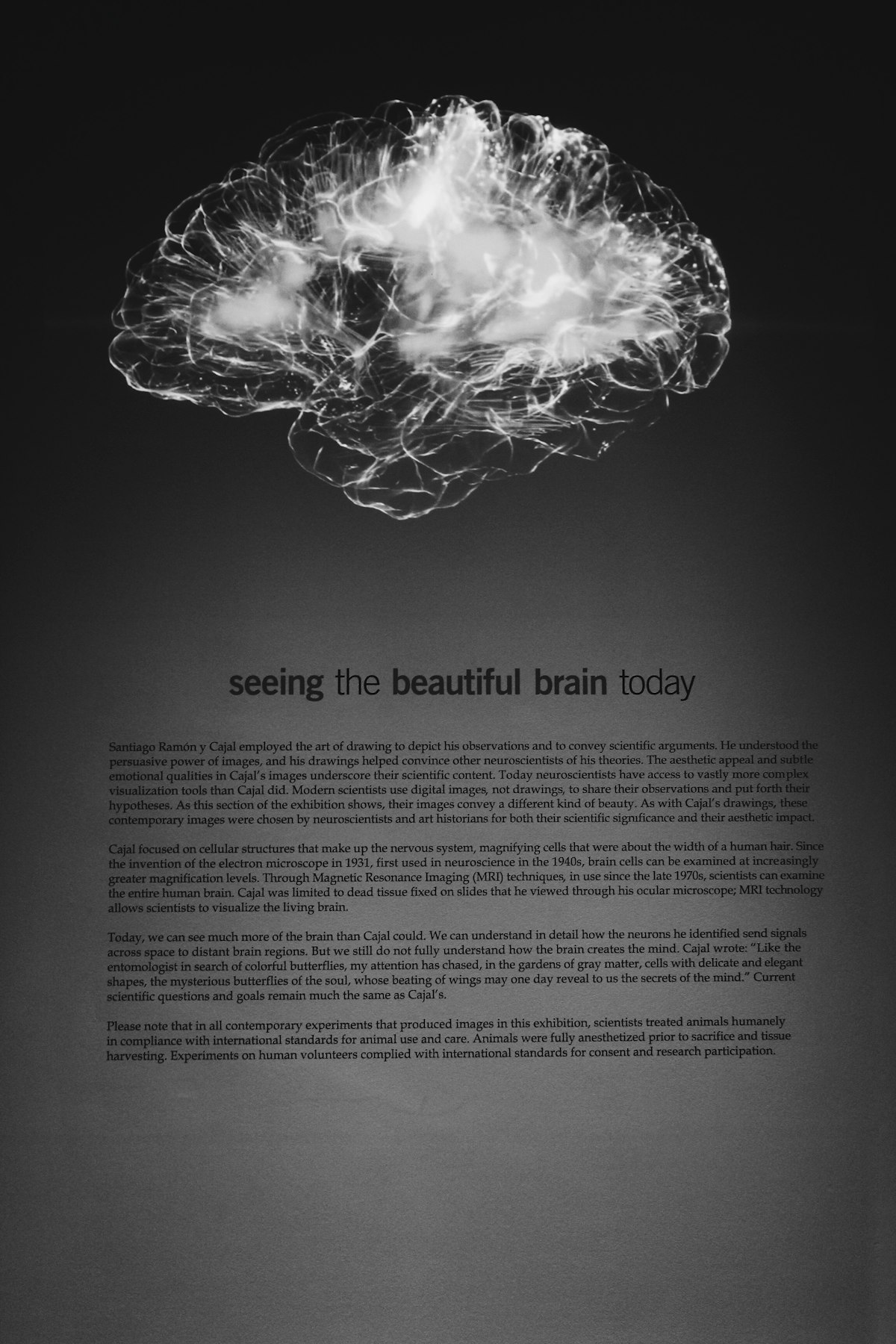
To understand why alcohol makes anxiety worse, you need to understand two neurotransmitters: GABA and glutamate.
Think of GABA as your brain’s brake pedal and glutamate as the gas pedal. GABA slows things down, creating calm and reducing anxiety. Glutamate speeds things up, creating alertness and excitatory activity. Your brain constantly balances these two to keep you functioning optimally.
Here’s what happens when you drink:
The Initial Effect: Alcohol Enhances GABA
Alcohol is a central nervous system depressant. When it enters your brain, it enhances GABA activity — essentially slamming on the brakes. This is why you feel relaxed within minutes of drinking. Research published in Neurochemistry International confirms that alcohol directly stimulates GABA receptors, producing immediate anxiolytic (anti-anxiety) effects.
At the same time, alcohol suppresses glutamate, the excitatory neurotransmitter. Less gas, more brakes. The result: your racing thoughts slow down, your physical tension eases, and you feel calm.
This is why alcohol feels like it works for anxiety. In the short term, it does.
The Brain’s Compensation: Downregulating GABA, Upregulating Glutamate
But your brain doesn’t like being out of balance. It’s constantly working to maintain equilibrium, a process called homeostasis.
When you regularly flood your system with a substance that enhances GABA and suppresses glutamate, your brain compensates by:
- Downregulating GABA receptors — making them less sensitive so you need more alcohol to achieve the same calming effect (this is tolerance)
- Upregulating glutamate receptors — making your nervous system more excitable to counteract alcohol’s depressant effects
This neuroadaptation happens gradually with regular drinking. According to the National Institute on Alcohol Abuse and Alcoholism (NIAAA), even moderate drinkers experience these changes over time.
The Rebound Effect: Anxiety Comes Roaring Back
Here’s where the cycle turns vicious. When the alcohol wears off — typically 6-12 hours after your last drink — your brain is left with:
- Fewer functional GABA receptors (brakes don’t work as well)
- More active glutamate receptors (gas pedal is hypersensitive)
The result: rebound anxiety. Your nervous system surges into overdrive. You feel more anxious, restless, and on-edge than you did before you drank. This isn’t just your original anxiety returning. It’s neurologically-induced anxiety caused by alcohol’s withdrawal effects.
A study in Alcohol and Alcoholism found that people who drink regularly experience significantly elevated anxiety during the 12-24 hours following alcohol consumption compared to baseline levels before drinking began.
The cruel irony: you reach for alcohol to manage anxiety that alcohol itself is creating.
The Self-Medication Trap: Why the Cycle Is So Hard to Break
The alcohol-anxiety cycle is self-reinforcing, and that’s what makes it so insidious.
Here’s how it works:
- You feel anxious (from stress, a genetic predisposition, or rebound anxiety from previous drinking)
- You drink to relieve it (alcohol provides immediate relief)
- 6-12 hours later, rebound anxiety hits (worse than your baseline)
- You interpret this as “I’m just an anxious person” (not realizing alcohol caused it)
- You drink again to manage the anxiety (reinforcing the cycle)
Each repetition strengthens the pattern. Your brain learns: anxiety = need alcohol. This becomes an automatic response, happening before you consciously decide to drink.
The Role of Tolerance
As you repeat this cycle, tolerance develops. The GABA receptors that alcohol stimulates become less responsive, so you need more alcohol to achieve the same anxiolytic effect.
What started as one glass of wine to unwind becomes two, then three. You’re not drinking more because you’re weak-willed. You’re drinking more because your brain chemistry has fundamentally changed.
Research published in Frontiers in Psychology shows that up to 40% of regular drinkers report using alcohol specifically to manage stress and anxiety, and tolerance develops rapidly in this population.
How This Differs from Pre-Existing Anxiety Disorders
It’s important to distinguish between:
- Alcohol-induced anxiety — anxiety caused or worsened by drinking
- Pre-existing anxiety disorders — generalized anxiety disorder, panic disorder, social anxiety that existed before drinking
Many people start drinking to manage pre-existing anxiety. But over time, it becomes impossible to tell where the original anxiety ends and the alcohol-induced anxiety begins. The two become entangled.
Here’s the key question: Did your anxiety get worse after you started drinking regularly? If yes, alcohol is likely contributing significantly to the problem.
Hangxiety: The Science of Next-Day Anxiety
If you’ve ever woken up after a night of drinking with your heart racing, feeling inexplicably worried or even panicked about nothing specific, you’ve experienced hangxiety — hangover anxiety.
This phenomenon is so common it now has its own name, and the neuroscience explains exactly why it happens.
Cortisol Spikes
Alcohol disrupts your body’s stress hormone regulation. When you drink, cortisol (your primary stress hormone) initially decreases. But as alcohol metabolizes, cortisol levels rebound sharply, often spiking higher than baseline.
A study in Psychoneuroendocrinology found that cortisol levels can remain elevated for up to 24 hours after heavy drinking. High cortisol creates the physical sensations of anxiety: increased heart rate, shallow breathing, muscle tension, and a sense of dread.
Blood Sugar Crashes
Alcohol interferes with glucose metabolism and liver function. As your blood sugar drops during a hangover, your body releases adrenaline and cortisol to stabilize it. This hormonal surge triggers anxiety symptoms, even if nothing in your environment is stressful.
Glutamate Surge
Remember the glutamate rebound we discussed earlier? During a hangover, glutamate activity surges as your brain tries to re-establish balance after alcohol’s depressant effects. This creates hyperexcitability — your nervous system is firing on all cylinders, producing racing thoughts, irritability, and heightened anxiety.
Dehydration and Inflammation
Alcohol is both dehydrating and inflammatory, and both states affect mood regulation. Dehydration impacts neurotransmitter function, while inflammation has been linked to increased anxiety and depression in research published in Brain, Behavior, and Immunity.
The result: you wake up physically and neurologically primed for anxiety. And if you don’t connect the dots between last night’s drinks and this morning’s dread, you’re likely to reach for alcohol again tonight to “calm down.”
What Happens to Your Anxiety When You Stop Drinking
The timeline of anxiety changes after quitting alcohol follows a predictable pattern for most people. Understanding this timeline helps you push through the difficult early days and recognize the genuine improvements that follow.
Days 1-3: Anxiety May Spike (This Is Temporary)
The first 72 hours are often the hardest. If you’ve been drinking regularly, your brain is in acute withdrawal. Glutamate surges, GABA receptors are downregulated, and your nervous system is hyper-alert. The anxiety spike in days 2-4 of withdrawal (see our complete alcohol withdrawal timeline) is neurological, not psychological — your brain is recalibrating without alcohol’s depressant effects.
You may experience:
- Restlessness and racing thoughts
- Physical tension and jitteriness
- Difficulty sleeping
- Heightened sensitivity to stress
This is not a sign that you’re doing something wrong. It’s your brain recalibrating. The anxiety during this phase is withdrawal-induced, not permanent.
For most moderate drinkers, this acute phase passes within 3-5 days. If you’ve been a heavy drinker, it may last up to a week. (If you’re experiencing severe withdrawal symptoms like tremors, hallucinations, or seizures, seek medical help immediately.)
Week 1-2: GABA Receptors Begin Recovering
After the acute withdrawal phase, your brain starts repairing the neurochemical damage. GABA receptors gradually become more sensitive again. The constant state of hypervigilance begins to ease.
Most people describe this as feeling “less wired.” The background hum of anxiety that had become so normal you stopped noticing it starts to quiet.
Month 1: Noticeable Reduction in Baseline Anxiety
By 30 days without alcohol, the difference is usually undeniable. Research shows that people who drink regularly experience 30-40% higher baseline anxiety than when they’re alcohol-free for 30+ days.
A study in Alcohol and Alcoholism found that moderate drinkers who abstained for one month reported significant reductions in anxiety, improved sleep quality, and better emotional regulation compared to when they were drinking.
You’re not just “less anxious.” You’re experiencing what your actual baseline anxiety level is, without alcohol artificially inflating it.
Months 2-3: Peak Benefits, Brain Chemistry Rebalancing
This is when the deepest improvements occur. Your brain’s GABA and glutamate systems are approaching full recovery. The constant low-grade anxiety that drinking maintained is gone.
Many people describe this phase as:
- “I forgot what calm felt like.”
- “I didn’t realize how much anxiety I was carrying.”
- “My brain feels quiet for the first time in years.”
For a comprehensive look at the connection between alcohol and sleep — since anxiety and sleep quality are deeply intertwined — that article breaks down how alcohol’s disruption of REM sleep worsens anxiety long-term.
If Anxiety Persists Beyond 3 Months
If you’ve been sober for 90+ days and anxiety is still significantly impairing your daily life, it’s likely you have an anxiety disorder that predates your alcohol use or exists independently of it.
This is not a failure. It’s important diagnostic information. Alcohol was masking a real mental health condition that needs proper treatment — therapy, medication, or both.
Seeking professional help is not a step backward. It’s the next logical step forward. You’ve removed the confounding variable (alcohol). Now you can address the underlying issue with clarity.

Breaking the Cycle: Practical Steps to Manage Anxiety Without Alcohol
If you’ve been using alcohol to manage anxiety, quitting creates a gap. You need alternative strategies to fill it. Here are evidence-based approaches that actually work.
1. Exercise: The Most Powerful Non-Pharmaceutical Anxiolytic
Exercise is one of the most effective anxiety treatments available, rivaling medication in some studies. A meta-analysis in Depression and Anxiety found that regular exercise significantly reduces symptoms of anxiety, with effects comparable to cognitive behavioral therapy.
Why it works: Exercise increases GABA production naturally, reduces cortisol, releases endorphins, and improves sleep — all of which counteract anxiety.
How to start:
- Even 20 minutes of walking reduces acute anxiety
- Aim for 30-45 minutes of moderate exercise most days
- Consistency matters more than intensity
2. Mindfulness and Meditation: Rewiring Your Stress Response
Mindfulness-based interventions have robust evidence for anxiety reduction. A systematic review in JAMA Internal Medicine found that mindfulness meditation programs show moderate evidence of improving anxiety.
Why it works: Mindfulness trains your brain to observe anxious thoughts without reacting to them, breaking the cycle of rumination.
How to start:
- Download a meditation app (Headspace, Calm, Insight Timer)
- Start with 5 minutes daily
- Focus on breath awareness, not “emptying your mind”
3. Social Connection: The Antidote to Isolation
Alcohol often creates the illusion of social connection while actually isolating you. You’re socializing, but you’re numbed. Real connection — where you’re present and vulnerable — is deeply anxiolytic.
Research in Science shows that social connection activates reward systems in the brain and reduces stress hormone levels.
How to start:
- Call a friend you’ve been meaning to talk to
- Join a group activity (hiking club, book club, volunteer work)
- Prioritize face-to-face connection over digital interaction
4. Therapy: CBT and ACT for Anxiety
Cognitive Behavioral Therapy (CBT) and Acceptance and Commitment Therapy (ACT) both have strong evidence for treating anxiety disorders.
CBT helps you identify and challenge anxious thought patterns. ACT teaches you to accept anxiety rather than fight it, reducing the “anxiety about anxiety” that often makes it worse.
Studies published by the American Psychological Association show that CBT is as effective as medication for generalized anxiety disorder, with longer-lasting effects.
5. Medication (If Needed): SSRIs, SNRIs, and Buspirone
If anxiety is severe and impairing your functioning, medication may be appropriate. Unlike alcohol, SSRIs (selective serotonin reuptake inhibitors) and SNRIs (serotonin-norepinephrine reuptake inhibitors) don’t create the rebound anxiety cycle.
Talk to a psychiatrist or primary care provider about options. Medication isn’t a sign of weakness. It’s a tool to restore brain chemistry to a functional baseline.
6. Track Your Sober Days and Anxiety Patterns
Tracking your progress creates accountability and helps you notice patterns. When you can see “15 days sober” alongside “anxiety noticeably lower this week,” the connection becomes undeniable.
Soberly is a free, private tracker that counts your days, hours, and minutes without drinking. It’s a simple way to externalize your commitment and visualize your progress. Many people find that watching the counter climb — especially through the difficult first two weeks — provides the motivation to keep going when anxiety spikes.
Just you and the data you’re gathering about your own life.
When to Seek Professional Help
You should consider professional support if:
- Anxiety significantly impairs your daily functioning (avoiding work, canceling plans, unable to complete basic tasks)
- You experience panic attacks (sudden, intense fear with physical symptoms like chest pain, difficulty breathing)
- Anxiety persists beyond 3 months sober (likely a pre-existing condition)
- You have co-occurring depression (anxiety and depression often travel together)
- You’re using other substances to manage anxiety (replacing alcohol with cannabis, benzodiazepines, or other drugs)
There is zero shame in getting help. Anxiety disorders are among the most treatable mental health conditions when addressed properly. Trying to tough it out alone when you need professional support isn’t strength — it’s just unnecessary suffering.
Gen Z and the Mental Health-Driven Shift Away from Alcohol
You’re not alone in questioning whether alcohol is worth the anxiety. A massive cultural shift is underway, led by Gen Z.
According to recent surveys, two-thirds of Gen Z (18-24) cite mental health as their primary reason for reducing alcohol. They’re not waiting for rock bottom. They’re making a proactive choice based on how alcohol makes them feel.
This generation has grown up with greater mental health awareness and less tolerance for substances that worsen it. The traditional “drinking culture” that previous generations accepted as normal is being rethought.
27% of people aged 21-24 report they never drink, and 40% of Gen Z intentionally limit consumption. This isn’t a fringe movement. It’s a fundamental reassessment of alcohol’s role in a healthy life.
The message is clear: you don’t need to identify as an alcoholic to decide that alcohol isn’t serving you. You don’t need to have a dramatic crisis. You can simply notice that drinking makes your anxiety worse and choose to stop.
No labels required.
The Bottom Line: Alcohol Creates the Anxiety It Promises to Solve
Here’s what the science shows, without ambiguity:
- Alcohol temporarily reduces anxiety by enhancing GABA and suppressing glutamate
- Your brain compensates by downregulating GABA receptors and upregulating glutamate receptors
- When alcohol wears off (6-12 hours later), rebound anxiety hits harder than baseline
- Regular drinking creates a self-reinforcing cycle where you’re medicating anxiety that alcohol itself causes
- Most people see 30-40% reductions in baseline anxiety after 30 days without alcohol
- If anxiety persists beyond 3 months sober, it likely predates drinking and needs professional treatment
The question isn’t whether alcohol temporarily works for anxiety. It does. The question is whether that temporary relief is worth the escalating anxiety it creates over time.
For most people, the answer is no.
If you’ve been using alcohol to manage stress, you’re not broken. You’re responding rationally to alcohol’s immediate effects. But now you know what happens in the hours and days after — the part the wine glass doesn’t tell you about.
You have the data. What you do with it is up to you.
Medical Disclaimer
This article is for informational purposes only and does not constitute medical advice. If you are experiencing alcohol dependence or withdrawal symptoms, please consult a healthcare professional. Withdrawal from alcohol can be medically dangerous and should be supervised by a doctor.
Related Topics