How to Socialize Without Drinking: 15 Practical Strategies

Key Takeaways
- The awkwardness of sober socializing peaks at week 2-3 and fades dramatically by month 2 -- your brain is relearning social confidence without a chemical shortcut
- Having a drink in hand (sparkling water, NA beer, mocktail) eliminates 80% of 'why aren't you drinking' questions before they happen
- Sober dating builds deeper connections because you're present, remember everything, and show up as your authentic self
- The friends you lose when you stop drinking were drinking buddies, not real friends -- and that distinction becomes obvious quickly
- Arriving early and leaving when you want are two of the most powerful strategies for sober socializing at parties and events
The Social Confidence Crisis
If the thought of going to a party sober makes your stomach drop, you’re not alone. Social anxiety about not drinking is the single biggest barrier preventing people from trying sobriety — even bigger than cravings or fear of withdrawal.
You’ve spent years believing that alcohol is what makes you fun, charming, interesting, relaxed. You’ve used it as social lubricant for so long that the thought of navigating a wedding reception or first date without it feels like showing up naked. Who are you at a party without a drink in your hand?
The honest answer: you’re about to find out. And the process of finding out is uncomfortable at first, then eye-opening, and eventually liberating.
This isn’t about willpower. It’s about strategy. The people who successfully navigate sober socializing aren’t superhuman. They’re just prepared. They know which techniques work, which situations to avoid early on, and how to handle the inevitable “Why aren’t you drinking?” question without breaking stride.
From the sober-curious perspective, this is the key realization: you’re not giving up fun. You’re finding out what fun really feels like when it’s not chemically manufactured. If you’re exploring this lifestyle, our sober curious guide provides a comprehensive framework for rethinking your relationship with alcohol.
Why Sober Socializing Feels So Hard
Understanding why sober socializing feels so uncomfortable helps you stop blaming yourself and start solving the problem.
Alcohol as Artificial Confidence
Alcohol works as a social lubricant by suppressing the prefrontal cortex — the part of your brain responsible for self-consciousness, inhibition, and overthinking. A few drinks quiet the internal voice that says “Did that joke land?” or “Am I talking too much?” or “Do they actually want me here?”
Without alcohol, that voice comes back online. Every pause in conversation feels louder. Every social interaction requires intentional effort instead of alcohol-fueled autopilot. Your brain is doing the work it’s supposed to do, but you’ve forgotten how because you’ve been outsourcing it to ethanol.
The discomfort you feel is your prefrontal cortex relearning its job. This process is temporary but very real.
Years of Social Conditioning
You learned to socialize with alcohol. Every celebration, every difficult conversation, every first date, every networking event — alcohol was there. Over time, your brain wired these experiences together: social situation = drink in hand.
Neurologically, this is called context-dependent learning. When you remove the context (alcohol), the learned behavior (social confidence) temporarily disappears. You haven’t lost your ability to socialize. You’ve just lost the context cue your brain relied on.
The good news: your brain can re-wire these associations. Research on habit formation and neuroplasticity shows that behavioral patterns can be reshaped in weeks to months, not years. The awkwardness is temporary. The new confidence you build is permanent.
The Identity Question
Here’s the uncomfortable truth: part of your identity has been built around drinking. “I’m a fun drunk.” “I’m the one who stays out late.” “I’m the person who brings wine to book club.”
When you stop drinking, you temporarily lose those identity markers. You’re not sure who you are at a party sober. Are you still fun? Still interesting? Still worth inviting?
This identity crisis is why week 2-3 of sober socializing is the hardest. The novelty has worn off, the social discomfort is still high, and you haven’t yet discovered your sober social identity. By month 2, this question resolves itself. You figure out who you are without alcohol. And almost everyone discovers they like that person more.
15 Strategies That Actually Work
These aren’t theoretical suggestions. These are battle-tested techniques from people who’ve successfully navigated sober socializing.
1. Always Have a Drink in Hand
This is the single most effective strategy. Walk into any social event with a drink already in your hand — sparkling water, NA beer, tonic with lime, fancy mocktail, coffee, anything.
Why it works: 80% of “Why aren’t you drinking?” questions never get asked if you’re already holding a drink. People see a beverage, their brain categorizes you as “participating in the social ritual,” and they move on.
Even at a party where everyone knows it’s not alcohol, the visual cue matters. You’re not standing awkwardly empty-handed. You have something to do with your hands. You fit the social script.
2. Arrive Early
Walking into a full party sober can feel overwhelming — noise, crowds, everyone already two drinks in and loose. Arriving early flips the dynamic entirely.
You get there when it’s just a few people. You ease into the social environment gradually. You establish yourself as present and engaged before the alcohol-fueled chaos kicks in. By the time the party is at full volume, you’re comfortable and settled.
Bonus: arriving early often means deeper conversations with people before they’re drunk. You actually connect with them instead of shouting over music.
3. Leave Whenever You Want
Here’s a superpower you gain from sobriety: you control your own exit.
You’re not waiting for your group to decide it’s time to leave. You’re not coordinating Ubers. You’re not stuck at a party that stopped being fun an hour ago. You drive yourself, you leave when you’re done, you wake up in your own bed without piecing together how you got there.
This freedom transforms how you experience social events. You stay as long as you’re having fun, and the moment you’re not, you go. No guilt, no negotiation, no FOMO. The Irish exit becomes your signature move.
4. Bring a Sober Ally
If you have even one person at an event who knows you’re not drinking and supports it, the difficulty level drops dramatically. They run interference when someone offers you a drink. They don’t make you explain yourself. They remind you why you’re doing this when it gets hard.
Your sober ally doesn’t have to be sober themselves. They just have to be on your team. Tell them in advance: “I’m not drinking tonight, and it might feel weird. Can I stick close to you?“
5. Have 2-3 Responses Ready for “Why Aren’t You Drinking?”
You will get this question. Rehearse your responses so they roll off your tongue without hesitation.
Option 1: The simple truth — “I’m taking a break from alcohol.” Most people accept this immediately and move on.
Option 2: The health angle — “I’m focusing on sleep/training/feeling good.” No one argues with health goals.
Option 3: The deflection — “Not tonight. Hey, have you tried the appetizers?” Answer briefly, redirect attention elsewhere.
Option 4: The humor — “I’m an elite athlete now. Just kidding, I just wanted to see what it’s like.” Lighten the moment, control the narrative.
The key: keep it short, confident, and non-defensive. The more you explain, the more you invite follow-up questions. Answer and move on.
6. Choose Activities Over Bars
Not all socializing has to happen at bars. In fact, the best sober socializing often doesn’t.
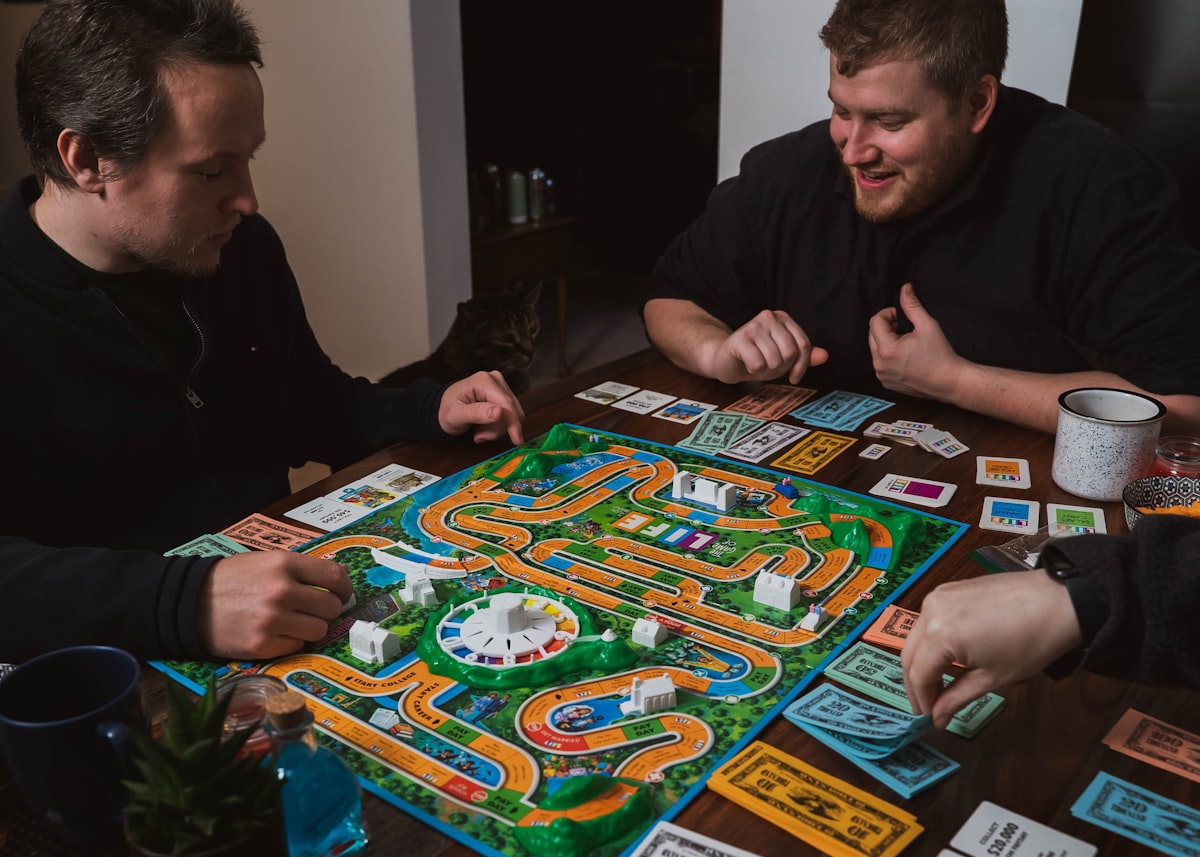
Bowling. Hiking. Game nights. Cooking classes. Escape rooms. Brunch. Museums. Coffee shops. Concerts. Bookstores. Farmers markets. Volunteering.
These activities create natural conversation, built-in structure, and shared experiences that don’t require alcohol to be fun. In fact, they’re more fun sober because you’re fully present.
Start suggesting these alternatives when friends reach out. You’ll discover which friends are up for it and which ones can’t imagine hanging out without a bar involved. That’s useful information.
7. Be the Designated Driver
This strategy is brilliant because it gives you unassailable social value and an ironclad excuse not to drink.
“I’m DD tonight” is the conversation-ender. No one questions it. No one pressures you. And your friends appreciate you for it. You’ve turned your sobriety into a contribution to the group.
Bonus: you witness exactly how drunk everyone gets, which often reinforces your decision not to drink. Drunk people are a lot less charming when you’re sober.
8. Start with Low-Pressure Events
Don’t make your first sober social outing a wedding or a music festival. Build your confidence with low-stakes events first.
Coffee with a friend. Brunch. A weekday dinner. A daytime hike. These environments are naturally lower-pressure and less alcohol-centric. You practice sober socializing without the sensory overload of a club at midnight.
Once you’ve successfully navigated a few low-pressure events, the high-pressure ones feel less daunting.
9. Eat Before and During Events
Blood sugar crashes make social anxiety worse. When your body is running on empty, your nervous system gets more reactive. Small stresses feel bigger. Social interactions feel harder.
Eat a solid meal before you go out. Bring snacks if it’s a long event. Keep your blood sugar stable. This isn’t about willpower — it’s about giving your nervous system the fuel it needs to stay regulated.
You’ll be calmer, more present, and better equipped to handle social discomfort.
10. Master the Irish Exit
The Irish exit — leaving without saying goodbye to everyone — is controversial in drinking culture. In sober culture, it’s essential.
When you’re done, you’re done. You don’t owe anyone a long explanation or a ceremonial goodbye tour. You quietly slip out, text your host a thank-you, and go home.
This protects your energy and eliminates the “Just one more drink before you go!” pressure. Practice guilt-free exits. You’ll use this skill forever.
11. Host Events on Your Terms
When you control the environment, everything gets easier. Host game nights, potlucks, movie marathons, brunch gatherings — events where you set the drink menu.
Stock great mocktails, NA beers, fancy sodas, fresh juices. Make non-alcoholic options the star of the drink selection. Your guests will drink less (or not at all) simply because the environment doesn’t center alcohol.
You also control the vibe, the end time, and the guest list. This is your domain, built for sober socializing.
12. Find Sober-Friendly Venues
More venues exist than you think: coffee shops with live music, bookstores with author events, community centers with classes, alcohol-free bars (yes, they exist now), hiking groups, sports leagues, maker spaces.
These environments attract people who aren’t defining their social life around drinking. You meet like-minded people and build a social circle where sobriety isn’t weird — it’s normal.
13. Use “I’m Not Drinking Tonight” Instead of “I Don’t Drink”
Temporary framing reduces questions and pressure.
“I’m not drinking tonight” implies choice and flexibility. It’s a decision about today, not a statement about your identity. People accept it more easily because it feels less permanent.
Once you’re more comfortable with sober socializing, you can shift to “I don’t drink” if you want. But early on, “not tonight” is the path of least resistance.
14. Focus on Connection, Not Consumption
The quality of sober socializing is different. You’re not chasing the buzz. You’re chasing connection.
Ask questions. Listen. Engage with what people are saying. Notice the details you’d normally miss while drunk. Remember people’s names. Follow up on things they mentioned last time.
This shift changes the entire experience. You’re not performing social confidence. You’re genuinely connecting. And people notice. They remember the sober person who actually listened to them.
15. Track Your Sober Social Wins
This is where a tool like Soberly becomes genuinely valuable. After you successfully navigate a wedding sober, a work happy hour, a first date — mark that milestone.
Seeing your progress over time builds confidence. You went to 5 parties sober. You survived 3 weddings. You handled 10 “Why aren’t you drinking?” questions without flinching. That’s data. That’s proof you can do this.
Each successful sober social event makes the next one easier. Track them. Celebrate them. Let the evidence accumulate that you’re fully capable of socializing without alcohol.
Scripts for Awkward Moments
Knowing exactly what to say in high-pressure moments eliminates the freeze-and-panic response. Here are word-for-word scripts for the most common scenarios.
”Why Aren’t You Drinking?”
Script 1: “Just taking a break. I’m good with water.” Short, clear, ends the conversation.
Script 2: “Trying to feel good tomorrow. You know how it is.” Relatable, non-preachy, assumes shared understanding.
Script 3: “I’m on a health kick. Boring, I know.” Self-deprecating humor diffuses tension.
Script 4: “I don’t feel like it tonight.” No explanation needed. Your preference is valid.
Script 5: “Why, do I seem like I need one?” Delivered with a smile, this gently challenges the assumption that everyone should be drinking.
”Just Have One!”
This is pressure disguised as encouragement. Shut it down firmly but kindly.
Script 1: “I appreciate it, but I’m good. Really.” Polite but final.
Script 2: “I said no thanks.” Direct boundary. Repeat if necessary.
Script 3: “I’m not drinking tonight. Can we drop it?” Escalate clarity if they persist.
If someone can’t respect “no” about alcohol, that tells you something important about them.
”You’re No Fun Sober”
This one stings because it targets your identity. Here’s how to handle it.
Script 1: “Weird, because I’m having fun right now.” Reframe the narrative. You define your own experience.
Script 2: “If I’m only fun when I’m drunk, what does that say about our friendship?” This is confrontational but sometimes necessary. It forces them to examine the relationship.
Script 3: Say nothing, and leave. You don’t owe anyone your time if they’re disrespecting your choices. Walk away.
Anyone who equates your value with your alcohol consumption isn’t worth keeping in your life.
”Are You Pregnant?” (For Women)
People ask this because they can’t imagine a woman not drinking unless she’s pregnant. It’s intrusive and reductive. You don’t owe them an answer.
Script 1: “Nope. Just not drinking.” Shut it down, no explanation.
Script 2: “That’s a pretty personal question, don’t you think?” Calls out the intrusion politely.
Script 3: “Why do you ask?” Turn the question back on them. Make them explain why they think it’s their business.
The Workplace Happy Hour
Work events add professional stakes to social pressure. Navigate carefully.
Script 1: “I have an early meeting tomorrow — sticking with soda.” Professional reasoning, no one questions it.
Script 2: “I’m the DD tonight.” Socially valuable role, immediate conversation-ender.
Script 3: “I’m training for [a race/event] and staying sharp.” Athletic goals are universally respected.
Focus on networking, not drinking. You’re there to build professional relationships. Alcohol is incidental, not required.

Sober Dating: Better Than You Think
Dating without liquid courage feels terrifying. You’re vulnerable, self-conscious, worried about awkward silences and whether you’re interesting enough without alcohol smoothing the edges.
Here’s the truth: sober dating is better. Not easier at first, but better.
Why Sober Dating Actually Works
You’re fully present. You remember every detail of the conversation. You notice whether you actually like this person or whether you’re just enjoying the wine. You show up as yourself — no performance, no alcohol-inflated confidence, just you.
That vulnerability is the point. You’re finding out if there’s real compatibility, not alcohol-lubricated chemistry. You’re filtering for people who appreciate your authentic self, not your drunk self.
And here’s the data: 35% of Gen Z prefer sober first dates, according to recent surveys. The “dry dating” trend is growing fast. You’re not weird for wanting a sober date. You’re early to a shift that’s already happening.
First Date Ideas That Don’t Involve Bars
Coffee shops. Breakfast or brunch. Farmers markets. Art galleries. Museums. Bookstores. Hiking or walking trails. Cooking classes. Pottery painting. Escape rooms. Daytime picnics. Concerts or live music. Arcade bars (focus on games, not drinks). Ice cream shops.
These settings create conversation naturally. You’re doing something together, not just sitting across from each other in a bar hoping the alcohol makes you charming.
Bonus: daytime dates are inherently sober-friendly and feel lower-pressure than nighttime bar dates.
When to Mention You Don’t Drink
Early and casually works best. Don’t make it a big reveal. Mention it when planning the date: “I’m not drinking right now, so let’s do coffee instead of drinks?”
Or on the date itself: “I’ll have a sparkling water — I’m not drinking these days.”
If they react poorly, that’s information. Someone who can’t imagine a date without alcohol probably isn’t a match if you’re exploring a sober lifestyle. Better to know now than three dates in.
How Sobriety Filters for Compatible Partners
This is the hidden benefit of sober dating: you immediately filter out people who can’t have fun without alcohol.
If someone pushes back on your sobriety, questions it, or seems uncomfortable with it, they’re revealing something about themselves. They’re not bad people — they’re just not your people.
The right partner will respect your choice, adapt without hesitation, and appreciate that you’re showing up fully present. Those are the people worth dating.
The Confidence Question
Yes, sober dating requires you to generate confidence without chemical assistance. That’s harder at first. But it’s real confidence, not borrowed from a glass of wine.
You’ll stumble through some awkward conversations. You’ll overthink some silences. That’s normal. Dating is awkward for everyone, drunk or sober. The difference is you’re learning to be confident as yourself, which is a skill that compounds over time.
Alcohol-based confidence disappears when the drink wears off. Real confidence stays.

Friendships That Change (And Why That’s Okay)
Here’s the part no one warns you about: when you stop drinking, some friendships won’t survive. And that’s not failure. That’s clarity.
Drinking Buddies vs. Real Friends
Drinking buddies are people you only see in drinking contexts. Bars, parties, happy hours, wine nights. Remove alcohol, and the friendship dissolves because there was no foundation underneath.
Real friends adapt. They suggest coffee instead of cocktails. They don’t pressure you. They care about you, not about whether you’re drinking.
When you stop drinking, the distinction becomes painfully obvious. The drinking buddies drift away or get defensive. The real friends stick around and adjust without making it weird.
This hurts at first. You feel like you’re losing your social circle. But you’re not losing friends — you’re identifying which relationships were real and which were held together by shared alcohol consumption.
The Defensive Reactions
Some friends will feel threatened by your sobriety, as if it’s a judgment on their drinking. They’ll say things like “You think you’re better than us now?” or “Come on, live a little.”
This defensiveness isn’t about you. It’s about them confronting their own relationship with alcohol through the mirror of your choice. Your sobriety forces them to ask questions they’re not ready to ask.
You can’t fix this. You can reassure them you’re not judging them. You can stay open to the friendship. But if they can’t move past their discomfort, that’s their work to do, not yours.
New Friendships You’ll Build
As old drinking-based friendships fade, new ones emerge. You meet people in sober spaces, hobby groups, fitness classes, volunteer organizations. You connect over shared interests instead of shared drinking.
These friendships feel different. They’re built on genuine compatibility. Conversations go deeper. Plans don’t always revolve around bars. You show up for each other in ways that drinking friendships often don’t.
The transition is hard. But the friendships you build on the other side are stronger.
The Brutal Realization
“The people who only want to see you drunk were never really seeing you.”
This realization hits hard around month 2-3 of sobriety. The friends who disappear when you stop drinking reveal that they were only interested in the drunk version of you. They weren’t paying attention to who you actually are.
That stings. It also clarifies who deserves your time going forward.
It Gets Easier (Much Easier)
If you take nothing else from this article, take this: the awkwardness is temporary.
The first sober party is excruciating. You’re hyper-aware of every conversation lull, every social misstep, every person who asks why you’re not drinking. You watch the clock and count down the minutes until you can leave.
The second one is slightly less excruciating. The tenth one is almost comfortable. By month 3, you can’t believe you were ever afraid of sober socializing.
Here’s what changes:
Your brain rewires. The neural pathways that said “social situation = alcohol required” get replaced with “social situation = I can handle this sober.” This takes repetition, but it happens faster than you expect.
Your confidence rebuilds. Not alcohol-borrowed confidence. Real confidence. You’ve navigated 15 sober social events and survived every one. You have evidence now that you can do this. That evidence compounds.
You stop caring what people think. The first time someone asks “Why aren’t you drinking?” you spiral. The twentieth time, you answer without blinking and move on. Their curiosity stops affecting you.
You realize alcohol wasn’t making you fun. This is the breakthrough moment. You laugh at a party sober. You have a deep conversation. You dance, you connect, you enjoy yourself — all without alcohol. And you realize: it was never the alcohol. It was always you.
By month 3, most people can’t believe they were ever anxious about sober socializing. It’s not that it becomes effortless. It’s that it becomes normal. You’re just socializing. The “sober” modifier drops away.
You’re Not Alone in This
Thousands of people are navigating sober socializing right now. You’re not the only one white-knuckling a mocktail at a wedding. You’re not the only one rehearsing responses to “Why aren’t you drinking?” in your head.
The sober-curious movement is growing. Gen Z is redefining social norms around alcohol. More people are questioning whether drinking is actually adding value to their lives. You’re early to a shift, not alone in a struggle.
Find your people. Online communities, local sober meetups, friends who support your choice, apps like Soberly that create accountability. Build a support system. Sober socializing is hard alone. It’s manageable with backup.
And here’s the thing: every person who successfully navigates sober socializing started exactly where you are — terrified, uncertain, convinced they’d be boring without alcohol. They learned the strategies. They practiced the scripts. They survived the awkward moments.
And they came out the other side with something alcohol never gave them: real confidence, genuine connections, and the knowledge that they’re fully capable of being themselves in any social situation.
You can do this. You will do this. And six months from now, you’ll read this article and think “I can’t believe that used to scare me.”
Medical Disclaimer
This article is for informational purposes only and does not constitute medical advice. If you are experiencing alcohol dependence or withdrawal symptoms, please consult a healthcare professional. Withdrawal from alcohol can be medically dangerous and should be supervised by a doctor.
Related Topics