
Key Takeaways
- After 30 days sober, liver enzymes normalize by 20-30%, reducing inflammation and improving liver function
- Sleep quality improves dramatically by week 2-3, with REM sleep fully recovering after alcohol disruption
- The average drinker saves $150-600 in the first month by cutting alcohol and related expenses
- Mental clarity and focus improve significantly as brain fog lifts and cognitive function recovers
- Anxiety often decreases by 30-40% after a month without alcohol's rebound effects
Why 30 Days Matters
Thirty days sober is more than just a number on a calendar. It’s a meaningful milestone that marks a fundamental shift in how your body and mind function.
Whether you’re doing Dry January, taking a sober-curious break, or committing to long-term sobriety, reaching 30 days is proof that you can live without alcohol. And by this point, you’re not just surviving — you’re starting to thrive.
The first few days and weeks are hard. You’re dealing with withdrawal, cravings, and breaking deeply ingrained habits. But by day 30, something changes. The acute phase is over. Your body has adjusted. And the benefits become undeniable. For a detailed breakdown of what happens hour-by-hour and day-by-day as you quit, see our alcohol withdrawal timeline.
This guide walks you through exactly what you can expect at the 30-day mark — the physical improvements, mental clarity, emotional shifts, and financial gains. We’ll also cover the challenges you might not anticipate, so you’re fully prepared. If you’re considering the journey, our complete guide to quitting drinking covers all the essential strategies.

Physical Benefits at 30 Days
The physical transformation after a month without alcohol is remarkable. Your body is incredibly resilient, and given 30 days without the constant assault of alcohol, it begins healing in measurable ways.
Sleep Quality Improves Dramatically
One of the first and most noticeable benefits is better sleep. If you’ve been drinking regularly, your sleep has been terrible — even if you didn’t realize it.
How alcohol disrupts sleep:
- Alcohol suppresses REM sleep, which is crucial for memory consolidation and mental restoration
- It causes frequent nighttime awakenings (even if you don’t remember them)
- It worsens sleep apnea and snoring
- It disrupts your natural circadian rhythm
After 30 days:
- REM sleep normalizes around week 2-3, according to sleep research published by the National Institutes of Health (NIH)
- You wake up feeling actually rested, not groggy
- You fall asleep more easily (after the first week or two of adjustment)
- Your energy during the day increases significantly
Many people report that improved sleep alone is worth staying sober. You wake up clear-headed, energized, and ready for the day — a feeling you may have forgotten was possible.
Your Liver Starts Healing
Your liver takes a beating from regular alcohol consumption. The good news? It’s one of the most regenerative organs in your body.
After 30 days sober:
- Liver enzymes (ALT, AST, GGT) begin normalizing within 2-4 weeks
- Fatty liver disease (alcoholic steatosis) can improve or even reverse with continued abstinence
- Inflammation decreases significantly
- Your liver’s ability to process toxins and metabolize nutrients improves
Research from the National Institute on Alcohol Abuse and Alcoholism (NIAAA) shows that even people with significant alcohol-related liver damage see measurable improvements within the first month of sobriety.
Of course, if you have advanced liver disease, 30 days is just the beginning. But it’s a crucial first step toward healing.
Skin Looks Healthier and More Hydrated
Alcohol dehydrates your entire body, and your skin shows it. It’s also inflammatory, which contributes to redness, puffiness, and breakouts.
By 30 days:
- Skin is more hydrated and plump
- Redness and puffiness decrease (especially around the eyes and face)
- Some people see a reduction in acne and breakouts
- Fine lines may appear less pronounced due to better hydration
- Your complexion looks brighter and more even
This isn’t just vanity. Your skin is your body’s largest organ, and its appearance reflects your overall health.
Weight Changes (But They Vary)
Weight changes at 30 days depend on your individual situation.
Many people lose weight:
- The average drinker consumes 400-700 empty calories per day from alcohol alone
- Cut that out, and you could lose 4-8 pounds in a month just from the calorie deficit
- Alcohol also increases belly fat (visceral fat), which starts decreasing with abstinence
Some people gain weight:
- Alcohol suppresses appetite. When you quit, your appetite returns — sometimes with a vengeance
- Your body craves sugar to replace the simple carbs from alcohol
- You might replace drinking with eating, especially sweets
Both are normal. If you gain weight initially, don’t panic. Your metabolism is adjusting. Focus on nourishing your body with whole foods, and your weight will stabilize over time.
Blood Pressure Decreases
Heavy drinking raises blood pressure. After 30 days without alcohol, many people see a significant drop.
According to research published by the American Heart Association, reducing or eliminating alcohol can lower systolic blood pressure by 3-5 mmHg and diastolic by 2-3 mmHg. For some people, this is enough to move from prehypertension to normal range.
Your Immune System Strengthens
Alcohol suppresses your immune system, making you more susceptible to infections, colds, and illnesses.
After 30 days:
- White blood cell function improves
- Your body fights off infections more effectively
- You get sick less often
- If you do get sick, you recover faster
This is one of those benefits you might not notice directly, but over time, you realize you’re just healthier overall.

Mental and Emotional Benefits at 30 Days
The mental and emotional shifts at 30 days can be even more profound than the physical ones.
Anxiety Decreases Significantly
This might surprise you, especially if you drank to manage anxiety. But alcohol is a major cause of anxiety, not a solution.
How alcohol creates anxiety:
- Disrupts neurotransmitter balance (GABA and glutamate)
- Creates a rebound effect — anxiety surges as alcohol leaves your system
- Worsens sleep, which increases anxiety
- Interferes with your body’s natural stress response
After 30 days:
- The rebound anxiety from alcohol withdrawal is gone
- Your neurotransmitter systems are starting to rebalance
- Many people report a 30-40% reduction in overall anxiety levels
- You’re learning healthier ways to manage stress
You might still have anxiety — life is stressful. But it’s natural anxiety that you can learn to manage, not alcohol-induced panic.
Mental Clarity and Focus Return
The “brain fog” that comes with regular drinking is real. Alcohol impairs cognitive function, memory, and concentration — even when you’re not actively drinking.
At 30 days:
- Your thinking is sharper and faster
- Memory improves (both short-term and long-term)
- You can focus for longer periods
- Decision-making becomes easier
The connection between alcohol and mental health runs deeper than most people realize — chronic drinking creates the anxiety and depression it promises to relieve.
- You process information more quickly
Brain imaging studies show that brain volume begins recovering within weeks of stopping drinking, with improvements in the frontal lobes (responsible for executive function and decision-making) and hippocampus (memory center).
Mood Becomes More Stable
Alcohol is a depressant. It disrupts serotonin and dopamine — the neurotransmitters that regulate mood.
After 30 days:
- Mood swings decrease
- Emotional highs and lows are less extreme
- Depressive symptoms often improve (though not always completely)
- You feel more emotionally balanced overall
Some people find that underlying depression or anxiety becomes more apparent without alcohol masking it. This isn’t a bad thing — it means you can finally address the root causes instead of numbing them.
Better Emotional Regulation
Alcohol numbs emotions. Without it, you feel everything more intensely — both good and bad.
At first, this feels overwhelming. Sadness hits harder. Anger feels sharper. Even joy can be intense if you’re not used to feeling it fully.
But by 30 days:
- You’re learning to sit with uncomfortable emotions instead of numbing them
- You’re developing healthier coping mechanisms
- You’re processing emotions in real time instead of bottling them up
- Your emotional range expands — you experience deeper joy, gratitude, and connection
This emotional rawness is actually a sign of healing. You’re reclaiming your full emotional life.
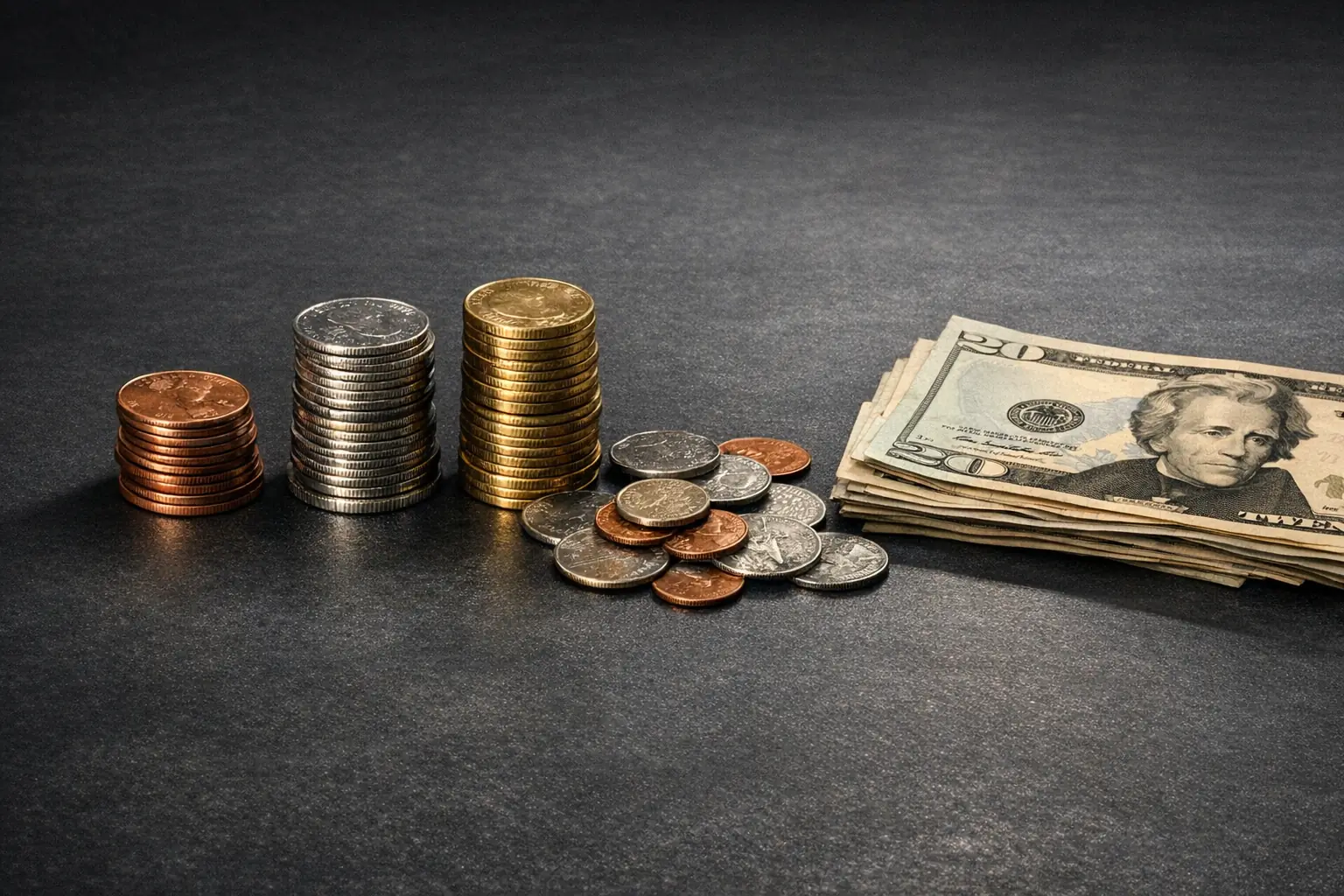
Financial Benefits at 30 Days
Let’s talk money. Drinking is expensive — more expensive than most people realize.
Direct Savings from Alcohol
Light to moderate drinker: 1-2 drinks per day at $8-12 each = $240-720/month
Moderate to heavy drinker: 3-4 drinks per day = $720-1,440/month
Even if you drink at home (cheaper than bars), you’re still spending:
- 1 bottle of wine per night: ~$10/day = $300/month
- 6-pack of beer every 2 days: ~$10 every other day = $150/month
- Mixed drinks at home: ~$200-400/month depending on what you drink
At 30 days sober, the average person saves $150-600.
Hidden Costs You’re Also Saving
But the savings go beyond just the cost of alcohol:
Rideshares and Ubers: Late-night drunk rides add up. Many people spend $50-200/month on post-drinking transportation.
Late-night food: Drunk eating (pizza, fast food, delivery) can add $100-300/month.
Hangover recovery: Greasy breakfast, coffee runs, pain relievers, hydration drinks — another $50-100/month.
Missed work or reduced productivity: Even if you don’t call in sick, hangovers reduce your productivity. Some people estimate losing $500-1,000/month in potential earnings due to alcohol-related impairment.
Healthcare costs: Fewer doctor visits, fewer prescriptions for anxiety/depression, fewer ER visits for alcohol-related incidents.
When you add it all up, the true cost of drinking can be $500-2,000+ per month. At 30 days, you’ve saved at least a few hundred dollars — and likely much more.
What to Do With the Savings
Seeing the money pile up is incredibly motivating. Some people:
- Put it toward a savings goal
- Pay off debt
- Invest it
- Spend it on something meaningful (a hobby, experience, or self-care)
Apps like Soberly track your financial savings alongside your sober days, giving you a visual reminder of how much you’re gaining.
What You Might NOT Expect at 30 Days
The benefits are real, but 30 days sober isn’t all sunshine and rainbows. Here are some challenges you might face that don’t get talked about enough.
Social Discomfort
Navigating social situations sober can be awkward, especially in the first month.
- People ask why you’re not drinking (and “I’m just taking a break” gets old)
- You feel self-conscious without the social lubricant of alcohol
- Events that revolved around drinking feel boring or uncomfortable
- You might realize some friendships were mostly centered on drinking
This gets easier. By 30 days, you’re starting to find your footing. You learn what to say, how to navigate social pressure, and which events are worth attending sober.
Emotional Rawness
We mentioned this earlier, but it’s worth repeating: you’re going to feel everything more intensely.
Sadness, anger, grief, frustration — emotions you’ve been numbing with alcohol will surface. This can feel overwhelming.
But here’s the truth: this is part of healing. You’re not supposed to numb difficult emotions. You’re supposed to feel them, process them, and move through them. At 30 days, you’re just starting to learn how.
Sleep Disruption in the First 1-2 Weeks
Yes, sleep improves by 30 days. But in the first 1-2 weeks, it often gets worse before it gets better.
Your brain’s sleep architecture has been disrupted by alcohol for months or years. It takes time to recalibrate. You might experience:
- Insomnia (trouble falling asleep or staying asleep)
- Vivid dreams or nightmares
- Waking up frequently during the night
This is temporary. By week 3-4, most people’s sleep has dramatically improved.
Increased Appetite and Sugar Cravings
Alcohol is sugar. When you quit, your body craves that quick energy source.
Many people experience intense sugar cravings in the first month. You might find yourself eating sweets, carbs, or snacking more than usual.
Don’t fight it too hard. Your body is adjusting. If you need ice cream at 8 PM to avoid drinking, eat the ice cream. You can fine-tune your diet later. Right now, staying sober is the priority.
Grief for the “Old You”
This one catches people off guard. Even though drinking was causing problems, there’s a part of you that misses it.
You might grieve:
- The version of yourself who could relax with a drink
- Social rituals that felt meaningful
- The identity of being a “fun” person who drinks
- The escape alcohol provided from stress or boredom
This grief is normal. You’re letting go of something that was part of your life, even if it was harmful. Allow yourself to feel the loss while also moving forward.
Tips for Making It to 30 Days
If you’re working toward 30 days or just starting out, here are strategies that help:
Start Tracking From Day 1
Track your sober days visually. Apps like Soberly let you see your progress in real time — how many days you’ve gone, how much money you’ve saved, and milestones you’ve hit.
Why tracking works:
- It creates accountability
- It gives you a tangible goal to protect (“I’m not going to break a 20-day streak”)
- It provides motivation when cravings hit
Tell at Least One Person
Don’t do this alone. Tell a friend, family member, therapist, or support group that you’re taking 30 days off drinking.
Having someone who knows and supports you makes it harder to quietly give up when things get tough.
Have a Plan for Social Situations
Before you go to an event where people will be drinking, decide:
- What you’ll say if someone offers you a drink (“I’m taking a break” or “I’m not drinking tonight”)
- What you’ll drink instead (have a go-to NA option)
- How long you’ll stay (it’s okay to leave early)
- What your exit strategy is if you feel uncomfortable
Pro tip: Arrive with your own non-alcoholic drink already in hand. People ask fewer questions if you’re already holding something.
Stock Non-Alcoholic Alternatives
Make it easy to say no to alcohol by having appealing alternatives:
- Sparkling water with lime
- Non-alcoholic beer or wine
- Kombucha
- Fancy mocktails or NA spirits
- Herbal tea
Having something that feels special — not just water — helps with cravings and social situations.
Celebrate Milestones
Don’t wait until day 30 to celebrate. Acknowledge every week, every 10 days, every small victory.
Treat yourself to something meaningful:
- A nice meal
- A new book or hobby
- A massage or self-care day
- Something you’ve been wanting but couldn’t afford when you were spending money on alcohol
Positive reinforcement works.
What Comes Next After 30 Days?
Thirty days is a milestone, but it’s not the finish line. The benefits continue to compound.
At 60 days:
- Physical health improvements deepen
- Emotional regulation becomes easier
- Cravings decrease significantly
At 90 days:
- Many people experience the “pink cloud” — a period of euphoria and clarity
- Long-term habits solidify
- Your identity as a non-drinker strengthens
Learn more about what to expect at 90 days sober, including how to navigate the pink cloud phenomenon and avoid complacency.
At 6 months to 1 year:
- Brain recovery continues
- Disease risk drops substantially
- You’ve navigated a full cycle of holidays, seasons, and life events sober
Each milestone builds on the last. The longer you go, the better it gets.
The Bottom Line
At 30 days sober, the transformation is real and measurable.
Physically, your liver is healing, your sleep is better, your skin glows, and your immune system is stronger. Mentally, the fog has lifted, anxiety has decreased, and your mood is more stable. Financially, you’ve saved hundreds of dollars (or more).
But beyond the data and the benefits, here’s what 30 days proves: you can do hard things. You can break patterns. You can live without alcohol. You can handle stress, celebrate joy, and navigate life sober.
Thirty days is proof of concept. It’s evidence that the life you want — clearer, healthier, more present — is possible.
Whether you’re aiming for 60 days, 90 days, or a lifetime, you’ve already done the hardest part. You’ve shown yourself what’s possible.
Now keep going.
Medical Disclaimer
This article is for informational purposes only and does not constitute medical advice. If you are experiencing alcohol dependence or withdrawal symptoms, please consult a healthcare professional. Withdrawal from alcohol can be medically dangerous and should be supervised by a doctor.
Related Topics